Mentor-Mentee PolicyPolicy Library
Mentoring Policy
Institutional Policy for Student Counselling, Mentoring, and Tutoring
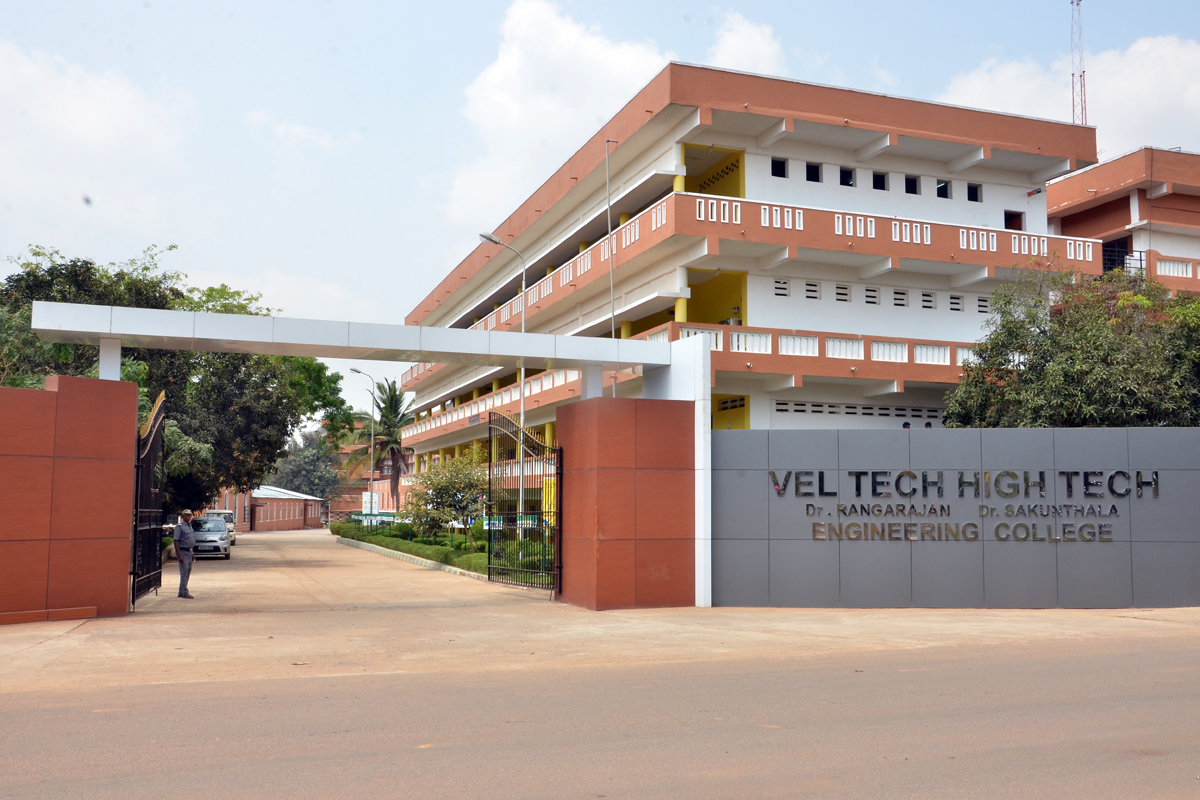
College campus
Prepared and Maintained by Mentoring Cell / Student Mentoring & Guidance SystemMorai, Avadi, Chennai – 600 062, Tamil Nadu, India

TABLE OF CONTENTS

S. No.ParticularsPage
1Cover Page1
2Table of Contents2
3Introduction, Vision, Mission and Objectives3
4Scope, Definitions and Policy Statements4
5Mentoring Structure and Roles5
6Mentoring Process and Support Areas6
7Confidentiality, KPIs and SDG Mapping7
8Alignment, Review, Annexures and Signature8
9Review and Approval

1. INTRODUCTION

Vel Tech High Tech Dr. Rangarajan Dr. Sakunthala Engineering College recognizes mentoring as an important mechanism for supporting student success, academic progression, personal development, career planning and holistic development. The Mentoring Policy establishes a structured and systematic framework for assigning mentors, maintaining student interaction records, identifying needs, providing guidance and facilitating timely support.

The mentoring system shall promote a supportive relationship between students and mentors while respecting student dignity, confidentiality, inclusiveness and institutional procedures.

2. VISION

To establish a caring, inclusive and student-centred mentoring ecosystem that enables every student to achieve academic success, personal growth, professional readiness and holistic development.

3. MISSION

  • Provide systematic academic and personal guidance to students.
  • Identify student needs and provide timely mentoring and referrals.
  • Support career planning, higher education, entrepreneurship and professional development.
  • Promote student engagement, retention, well-being and holistic development.
  • Strengthen communication between students, mentors, departments, parents and institutional support systems.

4. OBJECTIVES

  • Establish a structured mentor–mentee system across the Institution.
  • Monitor student academic progress, attendance and participation.
  • Identify students requiring academic, personal, financial, career or other support.
  • Provide guidance for higher education, competitive examinations, careers and entrepreneurship.
  • Encourage communication, confidence, leadership and life skills.
  • Facilitate early intervention and referral to appropriate institutional support mechanisms.
  • Maintain systematic mentoring records and evaluate the effectiveness of the mentoring system.

5. SCOPE

This policy applies to all undergraduate and postgraduate students, faculty mentors, department coordinators, institutional support cells and other stakeholders involved in the student mentoring system.

6. DEFINITIONS

TermDefinition
MentorA faculty member or designated person who provides guidance, support and monitoring to assigned students.
MenteeA student who receives mentoring and guidance under the institutional mentoring system.
MentoringA structured developmental relationship involving guidance, support, monitoring and encouragement.
Mentor–Mentee MeetingA planned or need-based interaction between a mentor and one or more mentees.
ReferralThe process of directing a student to an appropriate institutional or professional support service.
Mentoring RecordDocumented evidence of mentoring activities, interactions, concerns, actions and follow-up.

7. POLICY STATEMENTS

  • Every student shall be assigned a mentor or mentoring mechanism as determined by the Institution.
  • Mentoring shall be conducted through regular, need-based and documented interactions.
  • Mentors shall monitor academic progress and identify students requiring additional support.
  • Mentoring shall address academic, career, higher education, entrepreneurship, personal development and other student support needs within the mentor's role.
  • Sensitive student information shall be handled with appropriate confidentiality and professional responsibility.
  • Students requiring specialized support shall be referred to the appropriate institutional authority or support service.
  • The effectiveness of the mentoring system shall be periodically reviewed through feedback, records and outcome indicators.

8. MENTORING STRUCTURE

LevelRoleKey Responsibility
InstitutionalPrincipal / LeadershipPolicy approval, strategic direction and institutional support
CoordinationMentoring CellPlanning, monitoring, documentation and review
DepartmentHead of Department / Department Mentor CoordinatorImplementation and department-level monitoring
FacultyMentorIndividual student guidance, monitoring and follow-up
StudentMenteeActive participation, communication and implementation of guidance

9. ROLES AND RESPONSIBILITIES

9.1 Principal / Institutional Leadership

  • Approve and support the Mentoring Policy.
  • Provide institutional resources and support systems.
  • Review mentoring outcomes and major concerns.

9.2 Mentoring Cell

  • Prepare annual mentoring plans and guidelines.
  • Coordinate implementation across departments.
  • Maintain consolidated mentoring data and reports.
  • Review effectiveness and recommend improvements.

9.3 Heads of Departments / Department Coordinators

  • Ensure mentor allocation and implementation.
  • Monitor mentoring records and follow-up.
  • Coordinate support for students requiring intervention.

9.4 Faculty Mentors

  • Establish regular communication with mentees.
  • Monitor academic progress, attendance and participation.
  • Identify strengths, challenges and support needs.
  • Provide guidance and make appropriate referrals.
  • Maintain accurate mentoring records.

9.5 Students / Mentees

  • Participate actively in mentoring interactions.
  • Communicate concerns and needs appropriately.
  • Follow agreed academic and developmental action plans.
  • Provide feedback on mentoring support.

10. MENTORING PROCESS

  1. Student–Mentor Allocation
  2. Initial Student Profile and Needs Identification
  3. Regular Mentor–Mentee Interaction
  4. Academic and Personal Progress Monitoring
  5. Identification of Support Needs
  6. Guidance / Intervention / Referral
  7. Follow-up and Outcome Review
  8. Periodic Reporting and Evaluation

11. AREAS OF MENTORING SUPPORT

  • Academic performance and learning support.
  • Attendance and participation monitoring.
  • Study habits, time management and examination preparation.
  • Career planning and employability skills.
  • Higher education and competitive examination guidance.
  • Entrepreneurship, innovation and startup opportunities.
  • Professional skills, communication and leadership development.
  • Financial, scholarship and institutional support awareness.
  • Personal development and responsible citizenship.
  • Referral to appropriate institutional support services when required.

12. CONFIDENTIALITY AND ETHICAL PRACTICE

  • Mentors shall maintain appropriate confidentiality regarding student information.
  • Student information shall be shared only with authorized persons or support systems when necessary for student welfare or institutional requirements.
  • Mentoring shall be conducted without discrimination or harassment.
  • Mentors shall maintain professional boundaries and refer matters beyond their expertise to appropriate authorities.

13. MONITORING AND KEY PERFORMANCE INDICATORS

IndicatorEvidence / Record
Mentor–Mentee AllocationAllocation list / mentor register
Mentoring MeetingsMeeting records and interaction logs
Academic MonitoringProgress reports and follow-up records
Student SupportIntervention and referral records
Career / Higher Education GuidanceGuidance records and participation data
Student FeedbackFeedback forms and analysis
OutcomesImproved performance, participation, progression and support resolution

14. SDG MAPPING

  • SDG 3 – Good Health and Well-being: Promoting supportive student development and appropriate referral.
  • SDG 4 – Quality Education: Supporting academic achievement, learning and progression.
  • SDG 5 – Gender Equality: Ensuring inclusive and equitable mentoring support.
  • SDG 8 – Decent Work and Economic Growth: Career, employability and entrepreneurship guidance.
  • SDG 10 – Reduced Inequalities: Providing support to students with diverse needs.
  • SDG 16 – Peace, Justice and Strong Institutions: Promoting ethical, respectful and responsible institutional support.

15. ALIGNMENT WITH HIGHER EDUCATION QUALITY FRAMEWORKS

This policy supports institutional practices related to student mentoring, academic support, student progression, career guidance, student welfare and quality assurance. It may be implemented in alignment with applicable AICTE, UGC, NBA, NAAC and other competent authority guidelines and institutional quality assurance requirements, as amended from time to time.

16. REVIEW AND AMENDMENT

The policy shall be reviewed periodically, preferably once every three years or earlier when required due to changes in institutional needs, student support systems, regulatory requirements or quality assurance practices. Amendments shall be approved by the competent institutional authority.

17. ANNEXURES

  • Annexure I – Mentor–Mentee Allocation Format
  • Annexure II – Student Profile and Needs Assessment Form
  • Annexure III – Mentor–Mentee Meeting Record
  • Annexure IV – Academic Progress Monitoring Format
  • Annexure V – Student Support / Referral Record
  • Annexure VI – Mentoring Feedback Form
  • Annexure VII – Annual Mentoring Outcome Report

SIGNATURE AND APPROVAL

This Mentoring Policy is approved for implementation by the competent authority of the Institution.

Prepared ByVerified ByApproved By
Name & SignatureName & SignatureName & Signature

REVIEW AND APPROVAL

14. REVIEW AND AMENDMENT

The policy owner shall review this document at the stated cycle or earlier due to changes in law, regulation, institutional structure, technology, risk, audit findings or stakeholder requirements. Amendments shall take effect only after approval by the competent authority.

15. REFERENCES

  • AICTE Approval Process Handbook and Faculty Norms, as amended from time to time
  • UGC, DOTE TN, Anna University and autonomous academic regulations, as applicable
  • Institutional Strategic Plan 2025–2030, IQAC procedures and approved committee minutes
  • National Education Policy 2020 and institutional HR/Appraisal policies

16. APPROVAL AND SIGNATURES

Prepared / Coordinated byReviewed byApproved by
Name & Signature
Name & Signature
Name & Signature