Sustainable Development Goals (SDG) Integration and Sustainability Policy
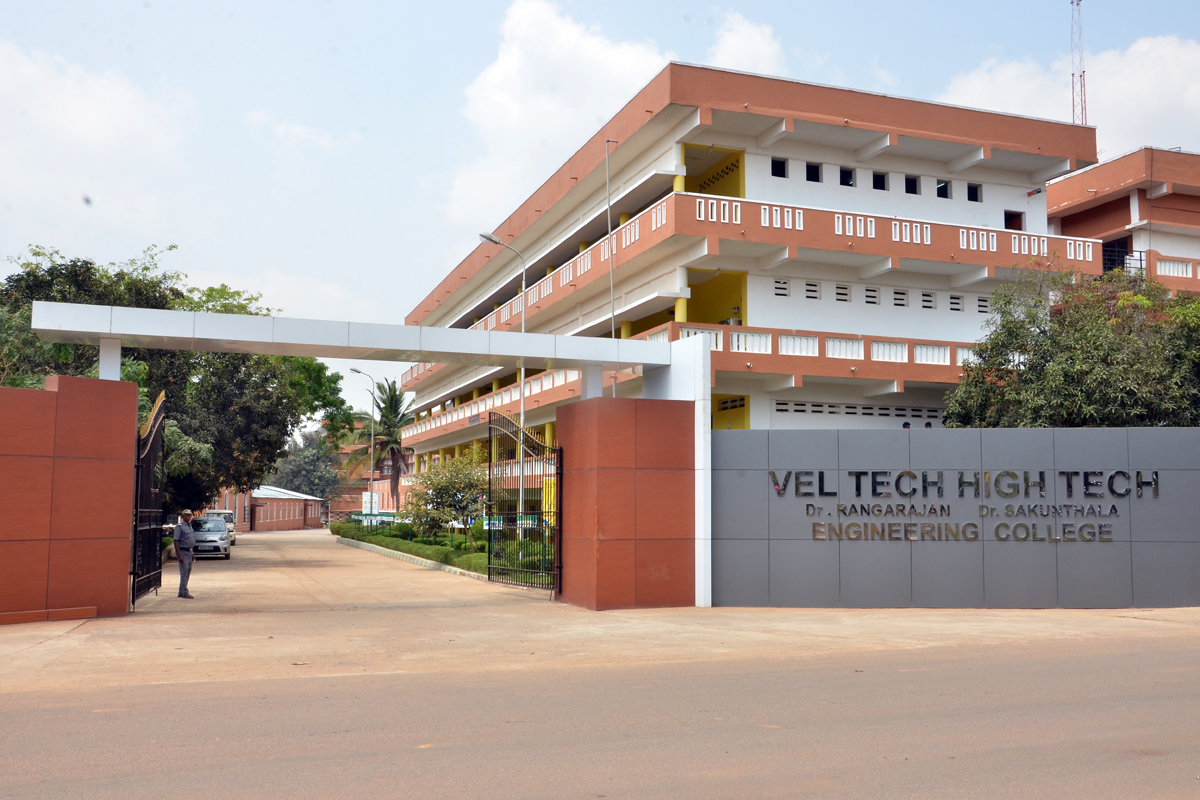
College campus
Policy Code: VTHT/SDG/POL/27Version: 1.0
No. 60, Avadi–Vel Tech Road, Avadi, Chennai – 600 062

DOCUMENT CONTROL AND INDEX

Policy TitleSustainable Development Goals (SDG) Integration and Sustainability Policy
Policy CodeVTHT/SDG/POL/27
Policy OwnerIQAC, Sustainability Committee and Dean Academics
Version1.0
Effective DateEffective after approval by the competent authority
Review CycleOnce in three years or earlier, whenever required
Approving AuthorityGoverning Council / Management / Competent Statutory Body, as applicable

TABLE OF CONTENTS

S. No.ParticularsPage
1Cover Page1
2Document Control and Index2
3Introduction, Purpose and Scope3
4Objectives4
5Guiding Principles and Policy Commitment5
6Policy Provisions6–11
7Roles and Responsibilities12
8Implementation Procedure13
9Records, Monitoring, Confidentiality and Non-Compliance14
10Review, References and Approval15

INTRODUCTION, PURPOSE AND SCOPE

1. INTRODUCTION

Vel Tech High Tech Dr.Rangarajan Dr.Sakunthala Engineering College recognises that higher education, engineering, research and institutional operations must contribute to human well-being, inclusive development and environmental protection. This policy converts all 17 United Nations Sustainable Development Goals into a practical institution-wide framework aligned with the Institutional Strategic Plan 2025–2030, Outcome-Based Education, research, innovation, the Vel Tech High Tech MSME Business Incubator and community engagement.

2. PURPOSE

To institutionalise authentic, measurable and evidence-based SDG integration across curriculum, research, innovation, campus operations, student development, community partnerships, governance and public reporting, while preventing superficial tagging and unsupported sustainability claims.

3. SCOPE

All programmes, departments, centres, laboratories, offices, student bodies, hostels, transport, procurement, construction, events, outreach, research, consultancy, incubation and collaborations conducted by or in the name of the Institution.

OBJECTIVES

4. OBJECTIVES

  • Build SDG literacy and systems-thinking capability among students, faculty, staff, incubatees and partners.
  • Embed relevant SDGs and targets in curriculum, course outcomes, projects, assessments and graduate attributes.
  • Direct research, consultancy, innovation and startup support towards measurable local, national and global challenges.
  • Reduce the environmental footprint of campus operations through energy, water, waste, biodiversity, mobility and procurement measures.
  • Advance equity, health, safety, accessibility, gender justice, decent work and accountable governance.
  • Establish baselines, targets, evidence repositories, audits, dashboards and annual improvement reporting for SDG performance.

POLICY FRAMEWORK

5. GUIDING PRINCIPLES

  1. All 17 SDGs are interconnected and actions shall be assessed for possible trade-offs, unintended harm and lifecycle impacts.
  2. SDG mapping shall be based on a demonstrable relationship to a goal, relevant target, intended outcome and credible evidence.
  3. Priority shall be given to local relevance, inclusion, measurable benefit, long-term viability and participation of affected communities.
  4. Academic freedom and disciplinary diversity shall be respected while maintaining common evidence and integrity standards.
  5. Environmental and social claims shall be proportionate to evidence and shall not constitute greenwashing or impact inflation.
  6. Students and communities shall be partners in problem definition, implementation, reflection and evaluation.

6. GENERAL POLICY COMMITMENT

The Institution shall implement this policy through approved roles, adequate resources, documented procedures, transparent communication and measurable review. Decisions and exceptions shall be recorded and authorized by the competent authority.

Interpretation: This policy shall be read with applicable laws, statutory regulations, autonomous academic regulations, service rules and approved institutional procedures. Where a conflict arises, the higher legal or statutory requirement shall prevail.

THE 17 SUSTAINABLE DEVELOPMENT GOALS

United Nations Sustainable Development Goals
The 17 Sustainable Development Goals provide the common institutional reference for this policy.

7.1 INSTITUTIONAL COMMITMENT

The Institution shall address all 17 Goals through a balanced portfolio of academic, research, operational and societal initiatives. Departments may prioritise Goals connected to their discipline, but reporting shall recognise interdependence and avoid isolated or ceremonial tagging.

BaselineSDG & TargetInterventionEvidenceImprovement
Evidence rule: An activity shall be reported against an SDG only when the problem, target, intervention, beneficiaries, result and supporting evidence are identifiable.

GOAL-WISE INSTITUTIONAL ACTION — SDG 1 TO SDG 6

GoalInstitutional commitment and indicative evidence
SDG 1 — No PovertyScholarships, fee support, employability, social entrepreneurship, livelihood technologies and outreach for economically vulnerable communities. Evidence may include beneficiary eligibility, support delivered, progression and livelihood outcomes.
SDG 2 — Zero HungerFood security awareness, nutrition support, reduction of food waste, sustainable agriculture, food-processing innovation and community projects. Evidence shall distinguish meals or activities from sustained nutrition or agricultural outcomes.
SDG 3 — Good Health and Well-BeingSafe campus, sports, mental well-being, preventive health, sanitation, emergency preparedness, health technology and community health programmes, with confidentiality and referral safeguards.
SDG 4 — Quality EducationInclusive OBE, learner-centred pedagogy, mentoring, digital learning, faculty development, lifelong learning, outreach education, learning-outcome attainment and reduction of progression gaps.
SDG 5 — Gender EqualityEqual opportunity, POSH compliance, safety, representation, gender sensitisation, facilities, mentoring and support for women in education, research, leadership, innovation and entrepreneurship.
SDG 6 — Clean Water and SanitationSafe drinking water, water-quality testing, rainwater harvesting, metering, leak reduction, wastewater treatment and reuse, sanitation and water-focused research or community projects.

GOAL-WISE INSTITUTIONAL ACTION — SDG 7 TO SDG 12

GoalInstitutional commitment and indicative evidence
SDG 7 — Affordable and Clean EnergyEnergy audits, metering, efficient equipment, demand management, renewable-energy systems, clean-energy research and student projects, measured through consumption and generation data.
SDG 8 — Decent Work and Economic GrowthSafe and fair work, skill development, placements, entrepreneurship, MSME incubation, ethical internships, prevention of exploitation and tracking of employment and enterprise outcomes.
SDG 9 — Industry, Innovation and InfrastructureResilient laboratories and digital infrastructure, industry partnerships, funded R&D, patents, prototypes, technology transfer, incubation and inclusive access to innovation facilities.
SDG 10 — Reduced InequalitiesScholarships, accessibility, bridge courses, language and learning support, non-discrimination, inclusive admissions and monitoring of participation, attainment and progression gaps.
SDG 11 — Sustainable Cities and CommunitiesSafe mobility, disaster resilience, smart-city research, heritage and community engagement, inclusive infrastructure, urban environmental solutions and local-government partnerships.
SDG 12 — Responsible Consumption and ProductionLife-cycle procurement, repair and reuse, paper reduction, green laboratories, source segregation, circular economy, sustainable events and authorised disposal of hazardous and electronic waste.

GOAL-WISE INSTITUTIONAL ACTION — SDG 13 TO SDG 17

GoalInstitutional commitment and indicative evidence
SDG 13 — Climate ActionGreenhouse-gas awareness, climate-risk assessment, adaptation, heat and flood resilience, low-carbon mobility, renewable energy, tree and biodiversity programmes and climate education.
SDG 14 — Life Below WaterPrevention of plastic and chemical leakage, wastewater control, water-body restoration, aquatic ecology awareness and research relevant to rivers, lakes, coasts and marine systems.
SDG 15 — Life on LandNative landscaping, biodiversity registers, soil and habitat protection, tree survival monitoring, responsible pesticide use, ecological restoration and land-focused research or outreach.
SDG 16 — Peace, Justice and Strong InstitutionsEthics, transparent governance, grievance redressal, anti-ragging, POSH, data protection, responsible AI, academic integrity, participative decision-making and auditable records.
SDG 17 — Partnerships for the GoalsOutcome-oriented partnerships with government, industry, academia, alumni, civil society, communities and international organisations, supported by clear roles, shared evidence and review.
Cross-goal safeguard: Every major initiative shall consider whether it creates adverse effects on another Goal, vulnerable group, ecosystem or future generation.

ACADEMIC, RESEARCH AND INNOVATION INTEGRATION

7.2 CURRICULUM AND LEARNING

  • Boards of Studies shall identify sustainability competencies relevant to each programme.
  • Course Outcomes, units, assignments and laboratory activities shall be tagged only where direct learning evidence exists.
  • Capstone projects shall state the problem, beneficiaries, SDG target, baseline, intervention, outcome, limitations and future work.
  • Faculty development shall cover systems thinking, life-cycle analysis, climate resilience, inclusion, impact measurement and community-engaged learning.

7.3 RESEARCH, CONSULTANCY AND INCUBATION

  • Proposals may identify relevant SDG targets without overstating predicted impact.
  • The R&D Cell shall maintain a verified SDG-tagged portfolio of publications, grants, patents, consultancy and technology transfer.
  • The MSME Business Incubator shall support ventures addressing clean technology, health, education, agriculture, mobility, circular economy and inclusion.
  • Startups claiming SDG impact shall define indicators, beneficiaries, risks and evidence.

SUSTAINABLE CAMPUS, COMMUNITY AND REPORTING

7.4 CAMPUS OPERATIONS

Energy & Climate
Metering, efficiency, renewable energy, preventive maintenance and resilience.
Water & Sanitation
Quality testing, harvesting, leak control, treatment, reuse and hygiene.
Materials & Waste
Prevention, reuse, repair, segregation, composting, recycling and authorised disposal.
Biodiversity & Mobility
Native habitat, accessible infrastructure, safe shared transport and lower emissions.

7.5 COMMUNITY ENGAGEMENT

Outreach shall be based on needs assessment, informed participation, appropriate safeguards, partner roles, learning outcomes, beneficiary feedback and follow-up. Event counts alone shall not be presented as impact.

7.6 DATA, TARGETS AND REPORTING

  • Baseline data and annual targets shall be maintained for selected indicators.
  • An SDG evidence repository shall retain approved mappings, datasets, reports, photographs, feedback, audits and action-taken reports with privacy controls.
  • IQAC may reject duplicate, unsupported or ceremonial claims.
  • The Sustainability Committee shall prepare an annual performance report showing achievements, gaps, corrective actions and next-year targets.

ROLES AND RESPONSIBILITIES

8. ROLES AND RESPONSIBILITIES

  • The Governing Council/Management approves strategic commitments, resources and major sustainability investments.
  • The Principal authorises the SDG governance structure and ensures cross-functional implementation.
  • IQAC defines evidence standards, verifies performance claims and integrates SDG review into quality assurance.
  • The Sustainability Committee coordinates targets, audits, dashboards, awareness and annual reporting.
  • Dean Academics, Boards of Studies and HODs integrate SDGs into curriculum, pedagogy and assessment.
  • The R&D Cell, IIC and MSME Business Incubator coordinate SDG-linked research, innovation, consultancy and startups.
  • Administrative, engineering, purchase, transport, hostel and facility teams implement operational sustainability controls.
  • Students, faculty and staff follow the policy, contribute evidence and report environmental or social risks.

IMPLEMENTATION PROCEDURE

9. IMPLEMENTATION PROCEDURE

  1. Identify the problem, beneficiary, applicable SDG and target, baseline and responsible unit.
  2. Approve the activity, safeguards, indicators, budget, data source and evidence plan.
  3. Implement the academic, research, operational or outreach intervention with stakeholder participation.
  4. Collect verifiable output and outcome evidence while protecting privacy and avoiding duplicate reporting.
  5. Review progress through departmental, Sustainability Committee and IQAC mechanisms.
  6. Record corrective action, next-year targets and approved public reporting.
Escalation: Delays, control failures, safety concerns, suspected misconduct or non-compliance shall be escalated through the designated reporting hierarchy without suppressing or altering records.

RECORDS AND COMPLIANCE

10. RECORDS AND EVIDENCE

  • SDG mapping registers for courses, projects, research, events and outreach
  • Energy, water, waste, biodiversity, transport and procurement datasets
  • Baseline studies, audit reports, beneficiary feedback and impact assessments
  • Departmental action plans, budgets, review minutes and action-taken reports
  • SDG-linked publications, patents, funded projects, startups and consultancy outcomes
  • Annual sustainability and SDG performance report

11. MONITORING INDICATORS

  • Percentage of programmes and courses with verified SDG integration
  • Number and quality of SDG-linked projects, publications, patents, grants and startups
  • Energy and water intensity, renewable-energy share and waste-diversion rate
  • Accessibility, gender equity, well-being and inclusion measures
  • Community beneficiaries and independently verifiable outcomes
  • Closure rate of audit observations and annual SDG improvement actions

12. CONFIDENTIALITY, RETENTION AND ACCESS

Records shall be accurate, retrievable and protected against unauthorized alteration, disclosure or destruction. Access shall be role-based and limited to legitimate institutional need. Retention and disposal shall follow the approved schedule and applicable requirements.

13. NON-COMPLIANCE

Non-compliance may result in corrective action, withdrawal of access or benefit, recovery of loss, disciplinary action, referral to a statutory body or other proportionate action after due process.

REVIEW AND APPROVAL

14. REVIEW AND AMENDMENT

The policy owner shall review this document at the stated cycle or earlier due to changes in law, regulation, institutional structure, technology, risk, audit findings or stakeholder requirements. Amendments shall take effect only after approval and version control.

15. REFERENCES

  • United Nations 2030 Agenda for Sustainable Development and the 17 Sustainable Development Goals
  • Institutional Strategic Plan 2025–2030
  • National Education Policy 2020 and applicable higher-education guidance
  • Applicable environmental, energy, water, waste, accessibility and occupational-safety requirements
  • Institutional Environmental, Research, Innovation, Procurement, E-Governance and Community Engagement Policies

16. APPROVAL AND SIGNATURES

Prepared / Coordinated byReviewed byApproved by
Name & Signature
Date:
Name & Signature
Date:
Name & Signature
Date: